



















Marketing
Coffee Shop Marketing in 2027: 7 Trends That Will Bring Customers Back
Oct 21, 2026
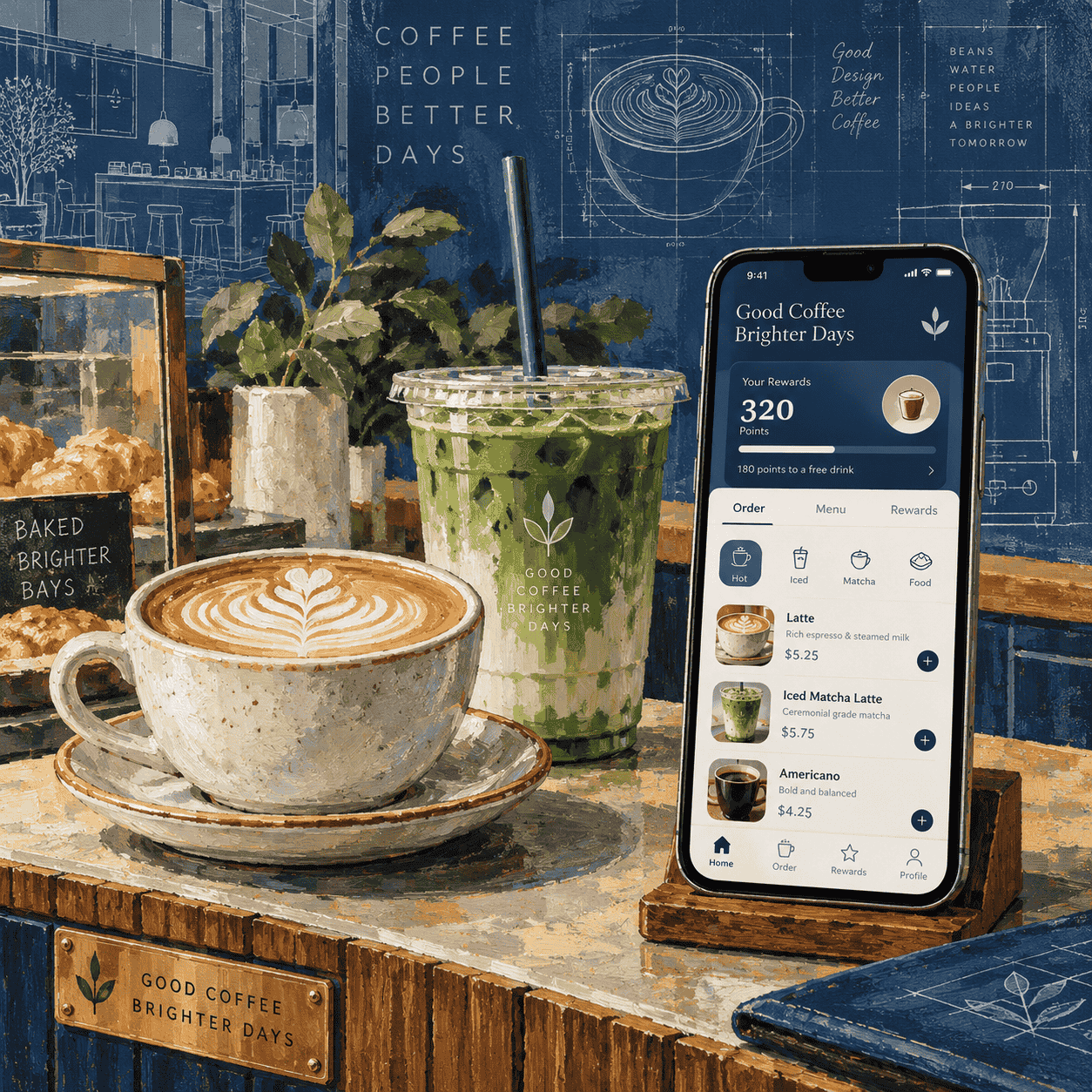
As 2026 enters its final few months, coffee shops are already looking ahead to what 2027 could bring. This year has seen some interesting changes in how cafés market themselves, from AI tools becoming part of everyday operations to loyalty programs offering new ways to keep customers engaged. And with customer expectations changing, there's plenty more to think about for the year ahead. So, which coffee shop marketing trends are worth paying attention to in 2027? We've picked seven developments that could shape how cafés attract customers, build stronger relationships, and encourage more repeat visits.
1. Automated Customer Journeys Will Change How Coffee Shops Market to Customers
Most coffee shops already have a marketing calendar. A Monday coffee special, a Friday afternoon offer, or an email announcing a new seasonal drink. These campaigns can work, but they usually go to customers regardless of when they last visited or how familiar they are with the café.
In 2027, expect more coffee shops to use automated customer journeys that respond to what each guest does.
A customer journey is a series of interactions that helps someone move from their first purchase to becoming a regular. With marketing automation, certain activities can start the next step without the owner having to create and send every campaign manually.
What could this look like for your café?
Imagine someone downloads your coffee shop app and orders a cappuccino for the first time.
- After their first purchase: They receive a welcome message explaining how to earn rewards on future orders.
- A few days later: If they haven't returned, they receive an invitation to try another popular drink.
- After their third order: They become eligible for a special loyalty reward.
- When they become a regular: They receive occasional updates about products and benefits that suit their interests.
These are examples of possible automated journeys, rather than fixed schedules every café should follow.
The benefit is consistency. New customers receive a proper introduction, while frequent visitors aren't treated like people who have never ordered before.
For smaller coffee shops, start with one journey focused on encouraging a second purchase. Choose a reasonable time after the first order, prepare a useful follow-up message, and measure how many first-time customers return.
As marketing platforms develop, cafés will have more opportunities to connect ordering activity with these journeys. The goal is to make each interaction feel timely and helpful, even when the business is busy serving customers.
2. Coffee Shop Customer Segmentation Will Become More Predictive
Your café might have two customers who both spent $80 last month. One bought coffee almost every morning. The other placed two large orders for colleagues.
They brought in the same revenue, but their habits are completely different. Sending them identical offers may miss what matters to each person.
This is where customer segmentation becomes valuable.
Segmentation means organizing customers into groups based on things like purchase history, spending, and frequency. Many coffee shops already separate new customers from regulars or high-spending guests. The next step is identifying changes in behavior before customers stop visiting altogether.
For example, consider someone who normally buys coffee four times a week but hasn't ordered in ten days. That change might deserve attention. Meanwhile, someone who visits once every three weeks is probably following their normal routine.
The important difference is understanding what is unusual for each customer, rather than using the same inactivity period for everyone.
Modern customer management tools can help cafés look at signals such as:
- Purchase frequency: How often someone typically visits.
- Days since the last order: How long they've been away compared with their usual pattern.
- Customer value: How much revenue a guest contributes over time.
- Churn risk: An estimate of how likely someone is to stop purchasing.
For coffee shop owners, a useful starting point is to look at customers whose visits have dropped over the past month. You may find that some of your most valuable regulars need a reason to return, while others may simply be following their usual buying habits. The better you understand these differences, the easier it becomes to create relevant campaigns without sending unnecessary offers to everyone.
The prediction for 2027 is that more cafés will use these early signals to make better marketing decisions instead of waiting until customers have been absent for months.
3. AI Marketing for Coffee Shops Will Go Beyond Writing Social Media Posts
AI has already made it easier to write Instagram captions, draft promotional emails, and brainstorm campaign ideas. Those tasks save time, especially when the person running the café is also responsible for marketing.
But one of the more interesting developments for 2027 is how AI could help owners understand what's happening in their business.
Think about the questions a coffee shop manager asks at the end of a busy week.
Why were afternoon sales lower than usual? Which drinks are selling well among first time buyers? Did the latest promotion bring in additional orders, or did existing customers simply spend less on drinks they would have purchased anyway?
Answers to these questions often require checking different reports and comparing numbers manually.
AI-assisted marketing tools are beginning to make that process easier by helping businesses interpret information and identify opportunities.
From looking at reports to taking action
Imagine asking an AI assistant:
"Which customers have reduced their visits this month, and what campaign would make sense for them?"
With access to the right information, an assistant could examine recent purchasing patterns, identify a relevant audience, and recommend a campaign based on those findings.
For example, it might suggest a weekday afternoon promotion if a particular customer group has stopped ordering during quieter hours.
The owner could then review the suggested audience, message, and offer before deciding to launch it.
This is also the direction Per Diem is pursuing with Olivia, its AI assistant. The aim is to help merchants work with business insights and turn useful findings into marketing actions, with more advanced capabilities continuing to develop.
There is an important distinction between AI generating an idea and proving that the idea will increase sales. Recommendations still need business judgment, accurate data, and performance tracking.
For cafés looking to experiment with AI in 2027, start by using it to answer a specific business question. A useful insight about your slowest selling hours can be worth far more than ten AI generated Instagram captions.
Not sure which campaigns to run next month? Sign up to get a personalized marketing plan with promotion ideas, loyalty campaigns, and customer engagement strategies tailored to your café. Get My Free Marketing Plan
4. Coffee Shop Loyalty Programs Will Make Earning Rewards More Fun
The familiar coffee shop punch card has a simple promise: buy a certain number of drinks and get one free.
It still has its place. Customers understand it, and there's little effort involved in explaining the rules.
However, waiting until the tenth purchase to receive a reward doesn't give customers much to look forward to along the way.
That's why more coffee shops are experimenting with loyalty programs that introduce smaller goals, different reward levels, and playful experiences.
One example is Dunkin', which has used special points promotions and seasonal challenges to give rewards members additional reasons to participate during selected periods. Its 2026 Halloween promotions included opportunities to earn bonus points on specific products and dates.
Independent coffee shops can apply similar ideas on a smaller scale, without offering expensive freebies every week.
Loyalty ideas worth trying in 2027
Visit streaks: Encourage customers to visit three times in a week or return for coffee on consecutive mornings. The reward could be bonus points or a small complimentary upgrade.
Loyalty tiers: Give frequent customers access to additional benefits as they reach different spending or visit milestones. An occasional customer could work toward a new tier, while a long standing regular enjoys perks that recognize their continued support.
Seasonal challenges: Invite customers to try three drinks from your autumn menu to unlock a special reward. This gives new products more visibility and makes discovering the menu enjoyable.
Reward games: Add a surprise element to the reward experience, such as a chance to unlock bonus points or a small treat after checkout.
Per Diem's loyalty features include tiers, streaks, points multipliers, and reward games, giving coffee shops different ways to create experiences around returning customers.
The key is choosing rewards that fit your business. A free premium drink after a few low-value purchases could cost too much, while a modest points bonus or inexpensive add-on may be easier to sustain.
You should also make progress easy for customers to see. Someone who knows they're close to reaching a reward has a clear reason to keep participating.
For the coming year, the opportunity is to give customers something enjoyable to work toward, while keeping the program simple enough for staff to explain and customers to use.
5. Personalized Coffee Shop Marketing Will Focus on What Customers Actually Want
Customers have their favorite drinks, preferred ordering times, and little habits that become part of their daily routines. Some stop by for a cappuccino before work, while others order an iced matcha every weekend. These preferences give coffee shops useful clues about what their customers enjoy and what might interest them next.
According to Square's 2026 Local Economy Report, regular customers order the same food or beverage item 59% of the time. That's a good reason for cafés to pay closer attention to purchasing preferences when planning their marketing.
In 2027, personalized coffee shop marketing will increasingly focus on making promotions useful to the people receiving them.
For example, a café introducing a new pistachio latte could share it with customers who frequently purchase flavored lattes. A new breakfast combo might appeal to guests who regularly order coffee and pastries together. And customers who prefer cold drinks could receive early news about the summer iced coffee menu.
These are small changes, but they make promotions feel relevant rather than random.
Making Email, SMS, and Push Notifications Work Together
Personalization also involves choosing how to communicate with customers. Not every announcement needs to be sent through every available channel.
Each channel can serve a different purpose:
- Email: Introduce seasonal menus, share café news, or highlight several new products with photos and descriptions.
- SMS: Share occasional time sensitive offers or important updates with customers who have opted in.
- Push notifications: Bring attention to app rewards, new arrivals, or promotions customers can use during their next visit.
The challenge is knowing when to use each one.
For instance, if your café launches a new autumn menu, an email could introduce the collection with appealing photos. A few days later, a push notification could highlight a particular drink to customers who have shown interest in similar products. There's little value in sending the same announcement three times through different channels.
Customer preferences matter here, too. Some people enjoy hearing about every new drink, while others only want occasional updates about rewards or special offers.
Pay attention to which messages lead to orders, give customers control over the communications they receive, and avoid making every interaction about discounts.
The opportunity is to make your café's marketing feel as familiar as the service customers receive at the counter. When you understand what people enjoy ordering, you can introduce products and offers they're genuinely likely to appreciate.
6. Coffee Subscriptions Will Help Cafés Build Consistent Revenue
Most customers pay for their coffee one visit at a time. Subscriptions offer a different arrangement: customers pay a recurring fee for a defined number of drinks or specific benefits.
For example, a neighborhood café could offer a $25 monthly plan that includes one regular brewed coffee each weekday, subject to clear redemption limits. Another might offer five specialty drinks per month at a reduced price.
These models give customers a reason to choose the same coffee shop regularly while giving owners some visibility into recurring income.
There's also reason to be optimistic about the wider café market. A September 2026 report from Mordor Intelligence forecasts the global café market will grow from approximately $326 billion in 2026 to $423 billion by 2031. That forecast covers the broader café industry, but it highlights the growing market cafés will be competing in.
Making coffee subscriptions profitable
A subscription should offer customers a clear benefit without making every redemption expensive for your business.
Suppose your café charges $20 a month for five regular coffees. You need to calculate the cost of ingredients, cups, labor, and payment processing before deciding if that price works.
A plan offering unlimited specialty drinks could attract heavy users who cost the business far more than their monthly fee.
Start with a limited selection of drinks and straightforward rules. Make it easy for customers to understand what is included, when benefits reset, and how they can cancel.
Subscriptions can also introduce customers to other menu items. Someone visiting regularly to redeem a morning coffee may decide to purchase a croissant or breakfast sandwich. Those additional purchases can help improve the value of the subscription relationship.
With Per Diem supporting recurring subscription plans, cafés have more options for offering these programs through their own branded ordering experience.
7. Marketing Success Will Be Measured by Repeat Revenue
A promotional email gets 500 clicks. Your Instagram reel reaches 10,000 people. A weekend offer brings in 80 orders.
Those numbers sound encouraging, but how much additional business did they create?
For coffee shops planning their marketing budgets, understanding the financial results of campaigns will become increasingly important.
Let's say your café offers 20% off all drinks on a Saturday. Sales increase, but many customers who use the discount are regulars who would have purchased at full price.
The promotion may have generated attention without improving your profit.
This is why owners should look beyond campaign engagement and examine what customers actually do after receiving an offer.
Some useful measurements include:
- Second purchase rate: The percentage of new customers who place another order.
- Repeat purchase rate: The share of customers who purchase again during a defined period.
- Purchase frequency: How often returning customers order.
- Reactivation rate: The percentage of inactive customers who make another purchase after a campaign.
- Revenue per customer: How much each customer spends over a selected period.
You don't need to track everything at once. Choose the measurement that best matches your campaign's purpose.
If you're promoting a new breakfast menu, measure the additional breakfast orders and revenue it generates. If you're encouraging first-time visitors to return, focus on how many make a second purchase within 30 days.
Compare your results with previous periods, and consider factors such as holidays, weather, and special events that can influence sales.
Over time, this approach helps you identify which campaigns deserve more investment and which ones need adjusting.
The coffee shops that understand the connection between marketing activity and sales will be in a better position to spend their budgets wisely in 2027.
Final Thoughts
Coffee shop marketing is entering an interesting period. AI is making business information easier to understand, loyalty programs are becoming more engaging, and marketing tools are giving owners new ways to stay connected with their customers.
You don't need to introduce every trend at once. Look at the opportunities that make the most sense for your café, your customers, and your budget. A well-planned loyalty offer or a timely message could be a better investment than adopting another tool without a clear purpose.
With Per Diem, coffee shops can bring branded ordering, loyalty, and customer marketing together in one platform.
Book a demo to see how you can build stronger customer relationships and grow repeat orders in 2027.
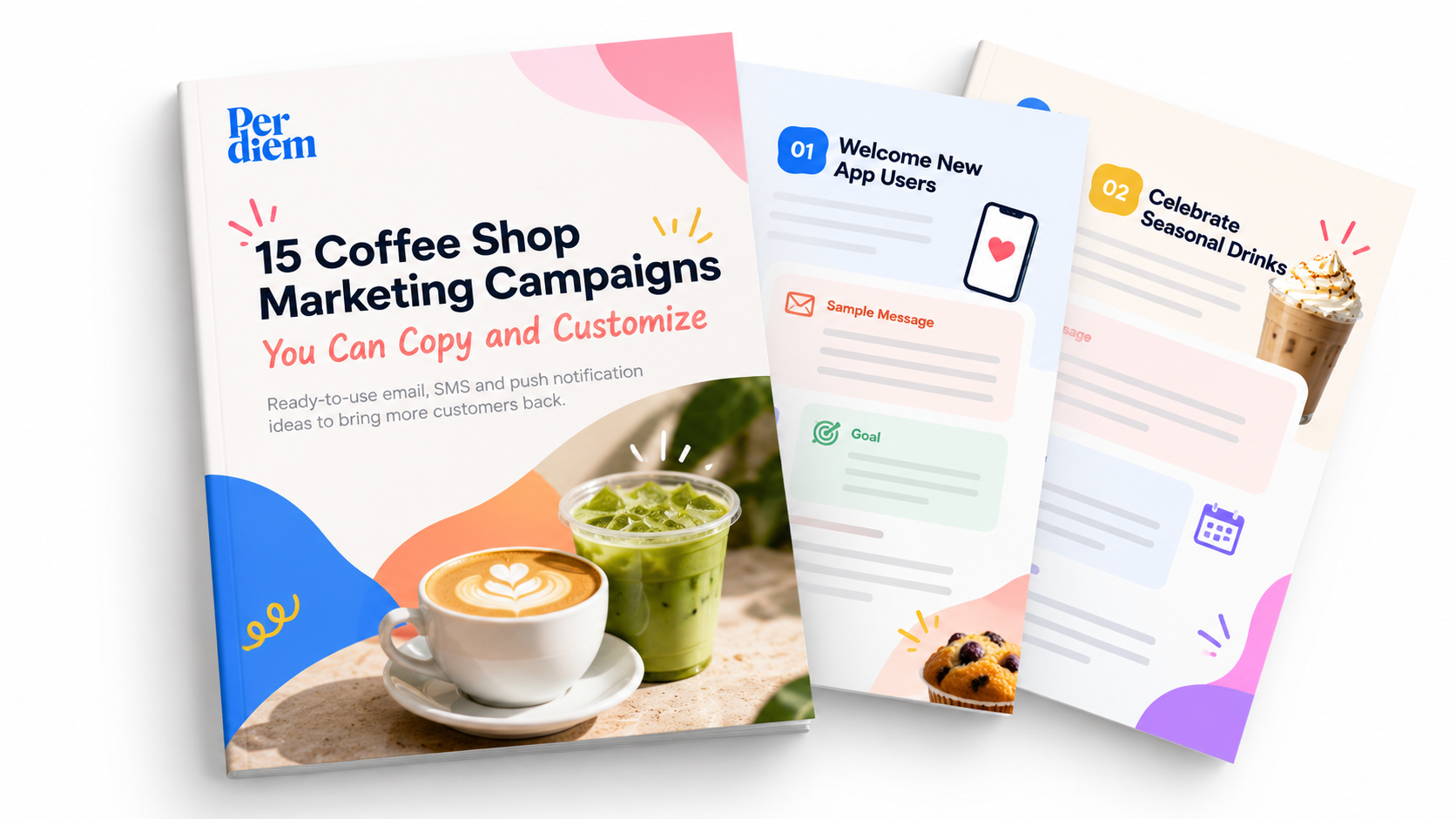
Get 15 Free Coffee Shop Marketing Campaigns
Download ready-to-use email, SMS, and push notification templates to promote new drinks, reward regulars, and bring customers back.
We'll only use your details to share this resource and the occasional update.